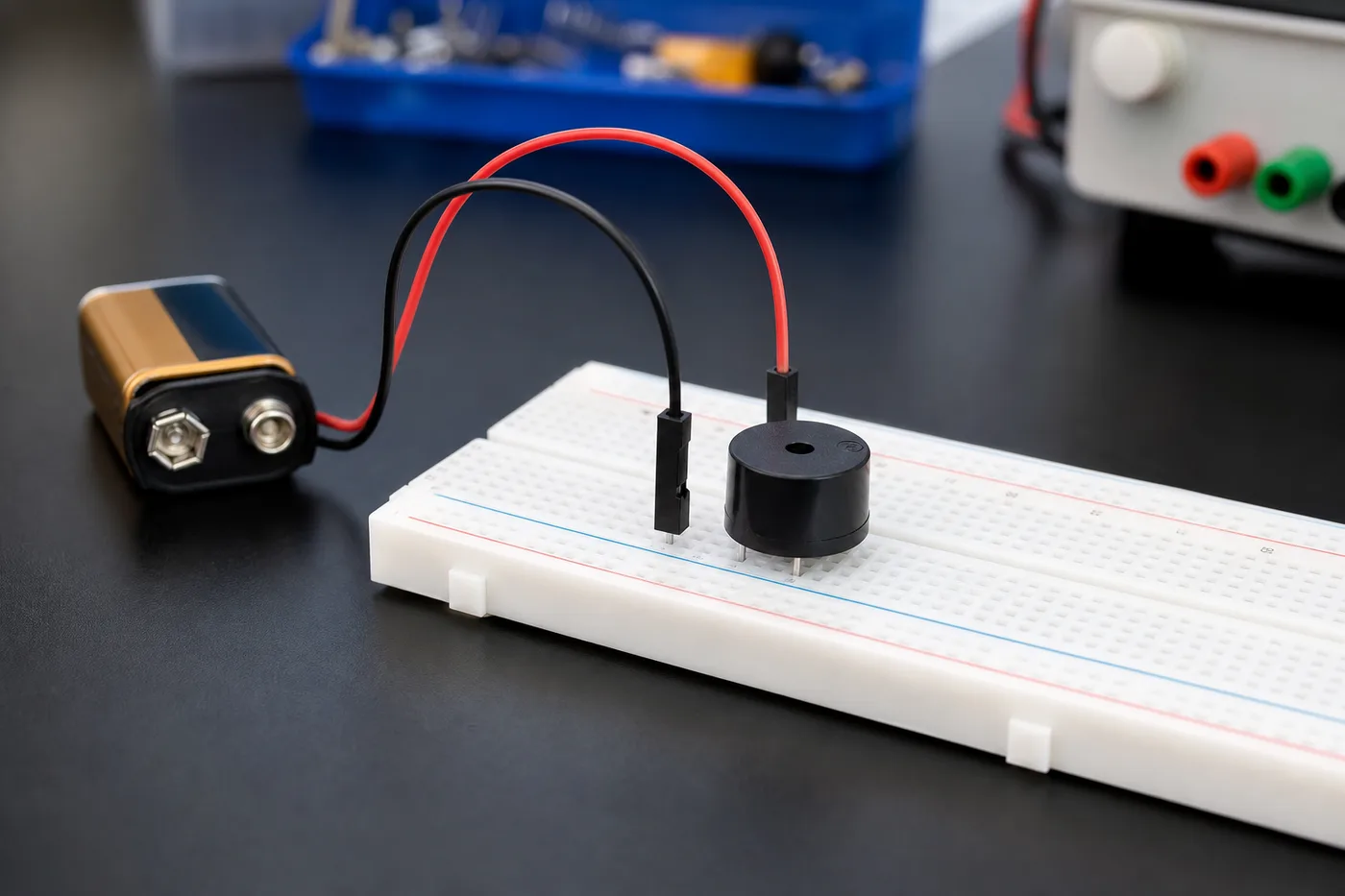
Sensors are how robots “sense” the world. For kids, three beginners matter most: LDR for light, ultrasonic for distance, and PIR for motion. Learn what each one does before wiring fancy robot kits.
LDR — Light Sensor
LDR means Light Dependent Resistor. In bright light it behaves differently than in the dark. Kids use LDRs to turn on an LED automatically when a room gets dark.
Ultrasonic — Distance Sensor
An ultrasonic sensor sends invisible sound clicks and listens for the echo. The time delay estimates distance. This is the classic sensor for obstacle-avoiding robots.
PIR — Motion Sensor
PIR sensors notice changes in infrared heat patterns, so they are great for “someone entered the room” projects, alarms, and welcome buzzers.
Which Sensor Should Kids Learn First?
- Start with LDR + LED for instant feedback
- Add ultrasonic when building moving robots
- Try PIR for room/motion challenges
GeekashramJr robotics classes teach sensors after breadboard basics. Try a session to see sensor projects live.